
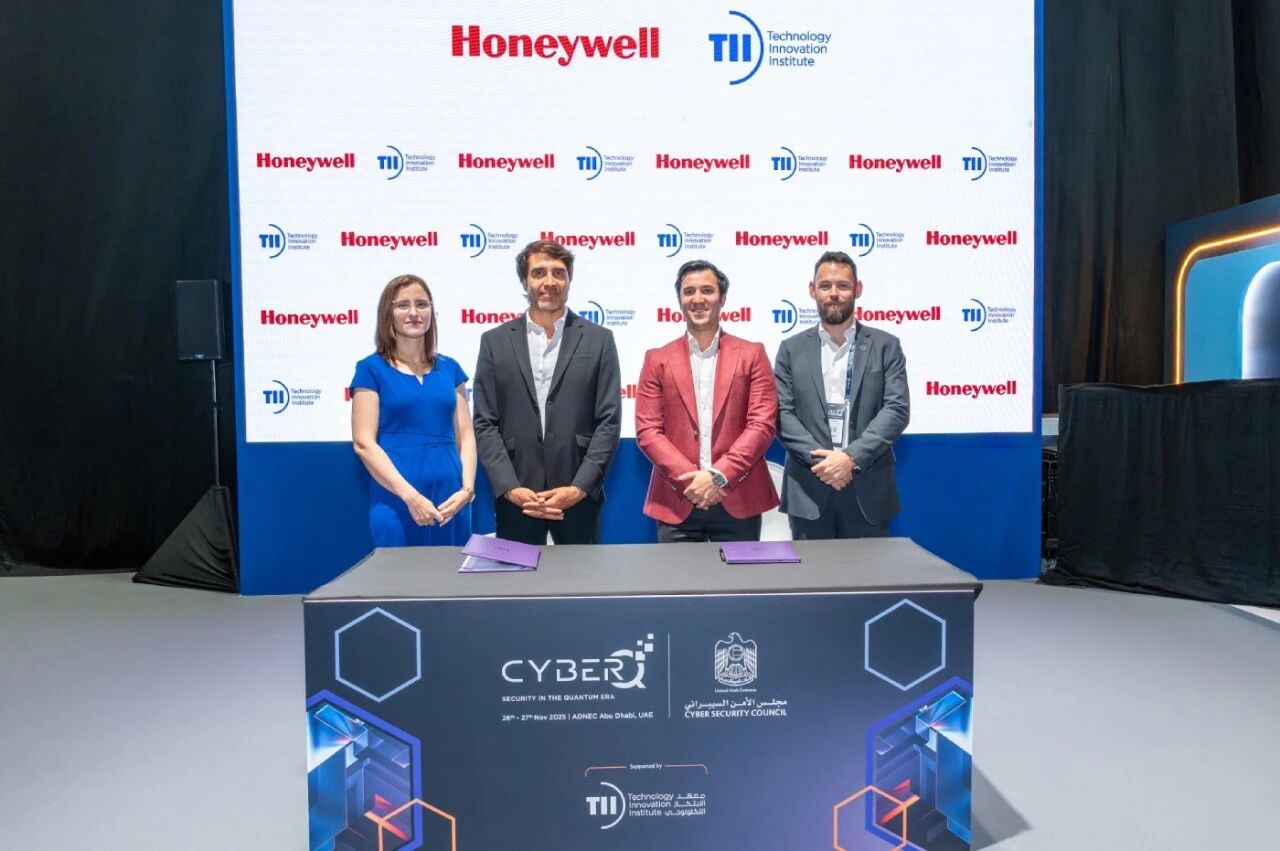
Abu Dhabi’s TII and Honeywell Team to Advance Quantum-Secure Satellite Technology
The Technology Innovation Institute (TII), the applied research arm of Abu Dhabi’s Advanced Technology Research Council (ATRC), and Honeywell have launched a joint initiative to develop quantum-secure satellite communication systems designed to protect sensitive information across global networks.
Read More

New Mexico Launches First Quantum Network: ABQ-Net
Roadrunner Venture Studios and Qunnect have jointly launched New Mexico’s first quantum network, designated ABQ-Net. This new network utilizes quantum key distribution (QKD) to secure data transmission via entangled photons, establishing a foundational infrastructure for quantum communication. The launch, announced November 19, 2025, signifies a key step in developing a secure communications ecosystem and positions New Mexico as an emerging hub for quantum technologies. ABQ-Net aims to provide a platform for testing and deploying advanced quantum technologies and applications.
Read More
Energy Department Announces $625 Million to Advance the Next Phase of National Quantum Information Science Research Centers
The U.S. Department of Energy announced $625 million in funding to renew its five National Quantum Information Science Research Centers.
Read More
Government support to get quantum to work faster, boosting UK’s health, defence, energy and more
New projects totalling over £14 million launched to support efforts putting quantum to work - from affordable and portable hospital eye scanners to more resilient transport. International partnerships with Japan and California to keep UK research at the cutting edge of quantum. Announcements come at UK’s National Quantum Technologies Showcase – major event highlighting how this breakthrough technology will help deliver economic growth, better public services and national renewal.
Read More
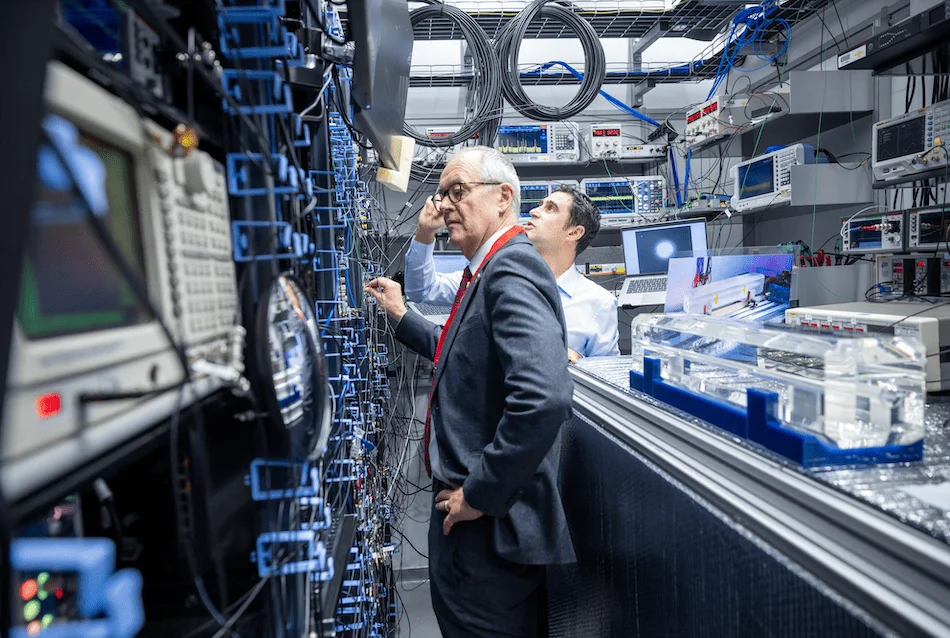
Global Quantum Collaboration Takes Flight With Launch of NMI-Q
NMI-Q, a new international alliance of National Metrology Institutes from the G7 nations and Australia, has been launched to advance global standards and measurement science for quantum technologies. Announced by UK Science Minister Lord Vallance at the National Physical Laboratory during the International Year of Quantum, the initiative aims to accelerate quantum commercialisation through coordinated research and standardisation. NMI-Q will focus on pre-standardisation research, developing and sharing best measurement practices, and supporting collaboration across industry, academia, and international stakeholders.
Read More
Canada Targets Quantum as Strategic Industry in C$334 Million Defense Push
Canada’s 2025 federal budget allocates $334.3 million over five years to strengthen the nation’s quantum technology ecosystem under the new Defence Industrial Strategy.The funding, managed by ISED, NRC, and NSERC, aims to anchor quantum companies in Canada and accelerate technology adoption in defence-related industries.The investment is part of a broader $6.6 billion package to rebuild Canada’s defence capacity and drive innovation in emerging sectors such as AI, quantum, and cybersecurity.
Read More

High hopes for quantum technologies
Although still in its early stages, quantum computing is advancing rapidly, along with quantum technologies as a whole. Nobel Prize-awarded work on entangled quantum states and quantum mechanical tunnelling were driving forces behind this progress. Applications of quantum technologies are anticipated to improve our daily lives and contribute to solving global challenges.
Read More

QuNET project reaches another milestone with key experiment——Foundation for the future quantum network: quantum channels tested in flight
The latest key experiment of the QuNET initiative was successfully completed today with a flight experiment between Oberpfaffenhofen and Erlangen. The aircraft formed a mobile node in a quantum network and established a connection to a ground station. There, the photons were successfully received and measured. The technologies from the demonstrated key experiment are groundbreaking for future secure quantum communication.
Read More
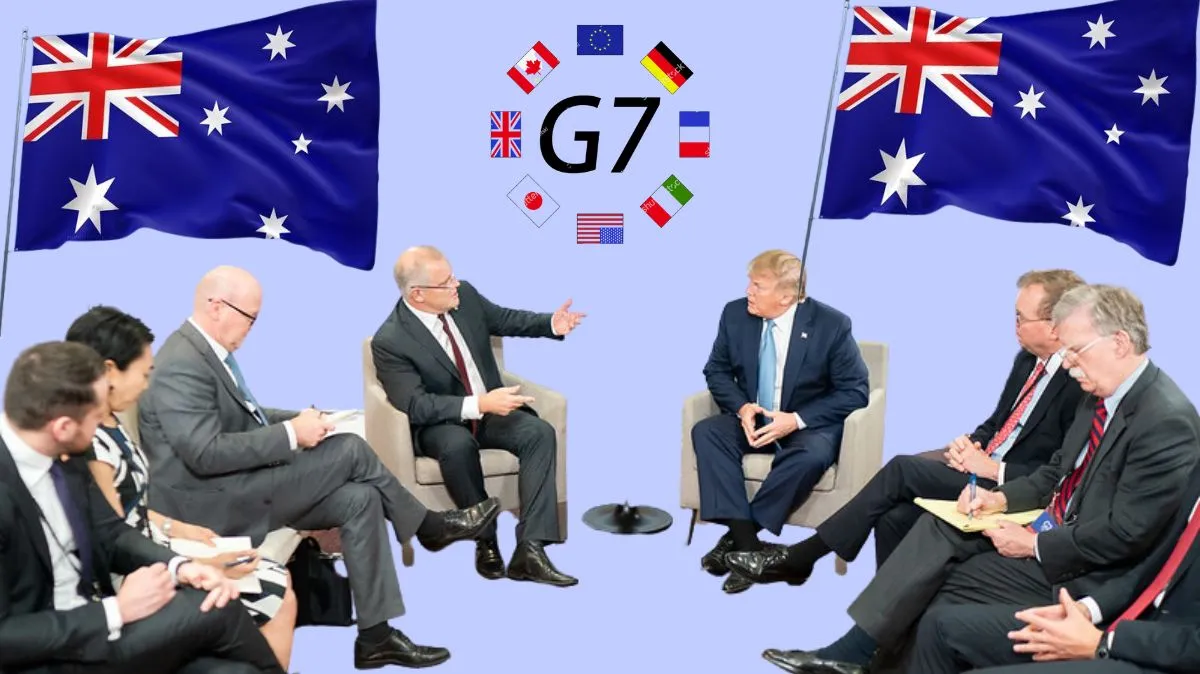
NMI-Q Initiative Unites G7 & Australia for Quantum Standards
Australia and the G7 countries have recently signed a significant agreement to establish important standards and benchmarks for the rapidly developing field of quantum technologies. Known as an “unprecedented agreement,” this endeavor aims to coordinate efforts in quantum technology benchmarks.
Read More

Quantum technology: 32% of the world’s companies, but only 6% of patents are from the EU
The fragmentation of EU programmes needs to be reduced to help companies scale up. The JRC policy report “Future Directions for Quantum Technology in Europe” provides background data that informed the EU Quantum Strategy unveiled recently.
Read More